The Art of Sustainable Landscaping: Eco-Friendly Practices for a Greener Yard Mar 24, 2026
When embarking on this journey, the first step is to understand the natural ecosystem of your yard. Taking the time to observe your outdoor space can offer insights into the native plants and wildlife that thrive in your area. Incorporating native plants is one of the simplest and most effective eco-friendly practices. Native plants require less water, fertilizers, and pesticides, making them a sustainable choice for your yard and reducing your overall environmental impact.
Another cornerstone of sustainable landscaping is water conservation. Implementing systems such as drip irrigation or rainwater harvesting can significantly reduce water usage. Drip irrigation delivers water directly to the plant roots, minimizing evaporation and runoff. Rainwater harvesting involves collecting and storing rainwater for irrigation purposes. This practice not only conserves water but also reduces municipal water demand.
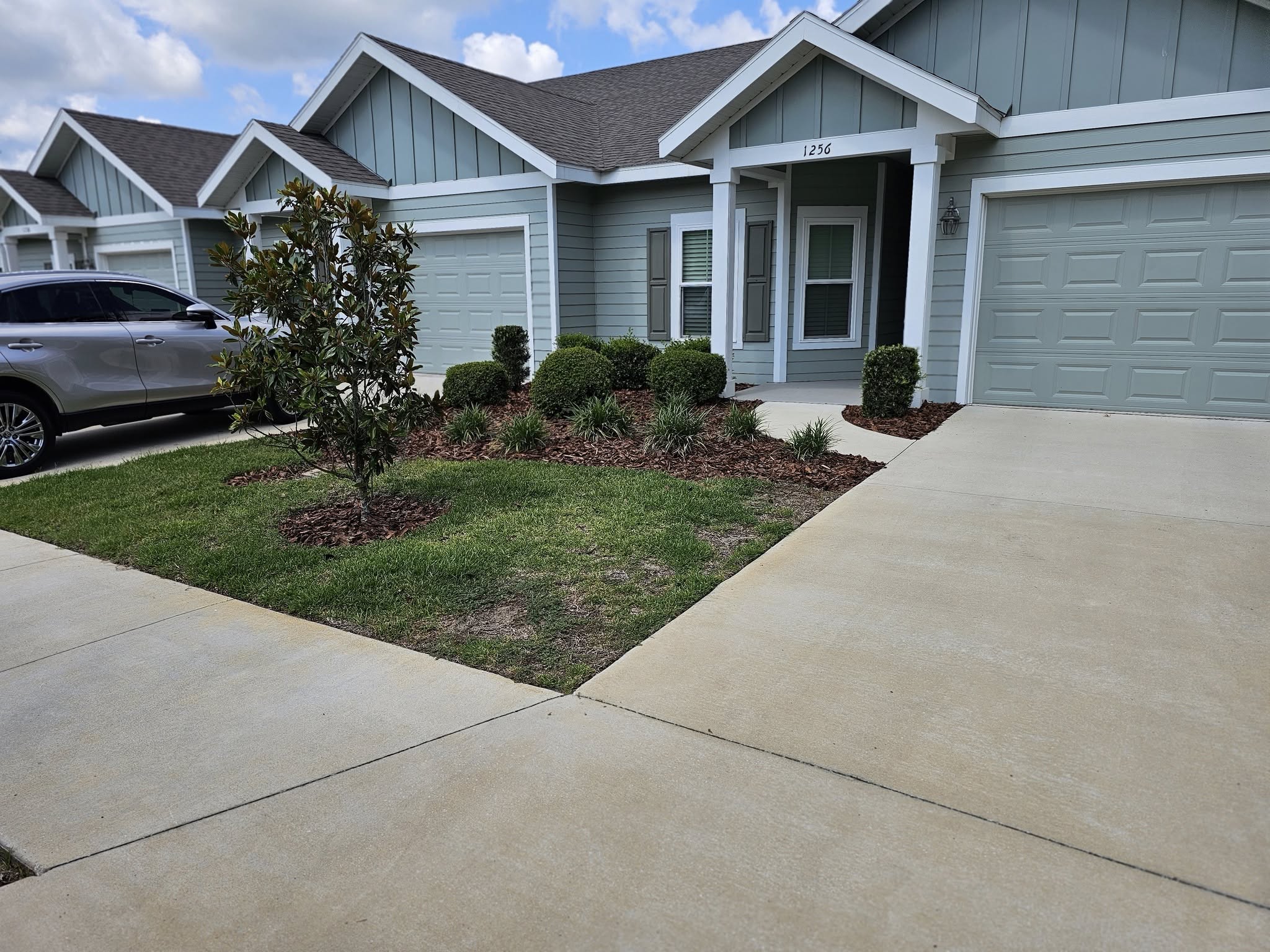
Mulching is another eco-friendly practice that promotes plant health while conserving moisture. By using organic mulch, such as wood chips or shredded bark, you can suppress weed growth, retain soil moisture, and provide essential nutrients to your plants as the mulch decomposes. Mulching not only benefits the plants but also enhances soil structure and promotes biodiversity.
Incorporating hardscaping elements can also be part of a sustainable landscape design. Choosing permeable materials like gravel or permeable pavers for walkways and patios helps manage stormwater runoff and reduces erosion. These materials allow water to seep into the ground, reducing the burden on stormwater systems and contributing to groundwater recharge. Additionally, using local and recycled materials for hardscaping can further lessen your environmental footprint.
Creating habitats for wildlife is an integral part of sustainable landscaping. Installing birdhouses, planting native flora that provides food and habitat, and creating water features for birds and insects can transform your yard into a sanctuary for local wildlife. By fostering biodiversity, we support the intricate web of life that exists in our ecosystems, offering a haven for various species.
One of the most rewarding aspects of eco-friendly practices is composting. By composting yard waste and kitchen scraps, you can create nutrient-rich soil, reducing the need for chemical fertilizers. Composting not only diverts waste from landfills but also returns valuable nutrients back to the earth, enhancing soil health and fertility.
Embracing sustainable landscaping practices is not only beneficial for the environment but also provides a sense of personal fulfillment and aesthetic satisfaction. At Deeper Roots Landscape, we are dedicated to helping our clients achieve a balance between beauty and sustainability in their outdoor spaces.
In conclusion, whether you’re starting from scratch or looking to revitalize your existing yard, adopting these eco-friendly practices can lead to a greener and more sustainable environment. Let us help you transform your landscape into a model of sustainability, reflecting the natural beauty and biodiversity of your locale, while conserving resources for future generations. By investing in sustainable landscaping, you are nurturing not only your yard but also the planet. Visit Deeper Roots Landscape today to begin your journey towards a more eco-friendly landscape.
/filters:no_upscale()/filters:format(webp)/media/78ca493c-c7fa-425e-af12-03a71424ae32.jpeg)
/filters:no_upscale()/filters:format(webp)/media/619fcb78-b0cf-4784-9b58-52e0983403fe.jpeg)