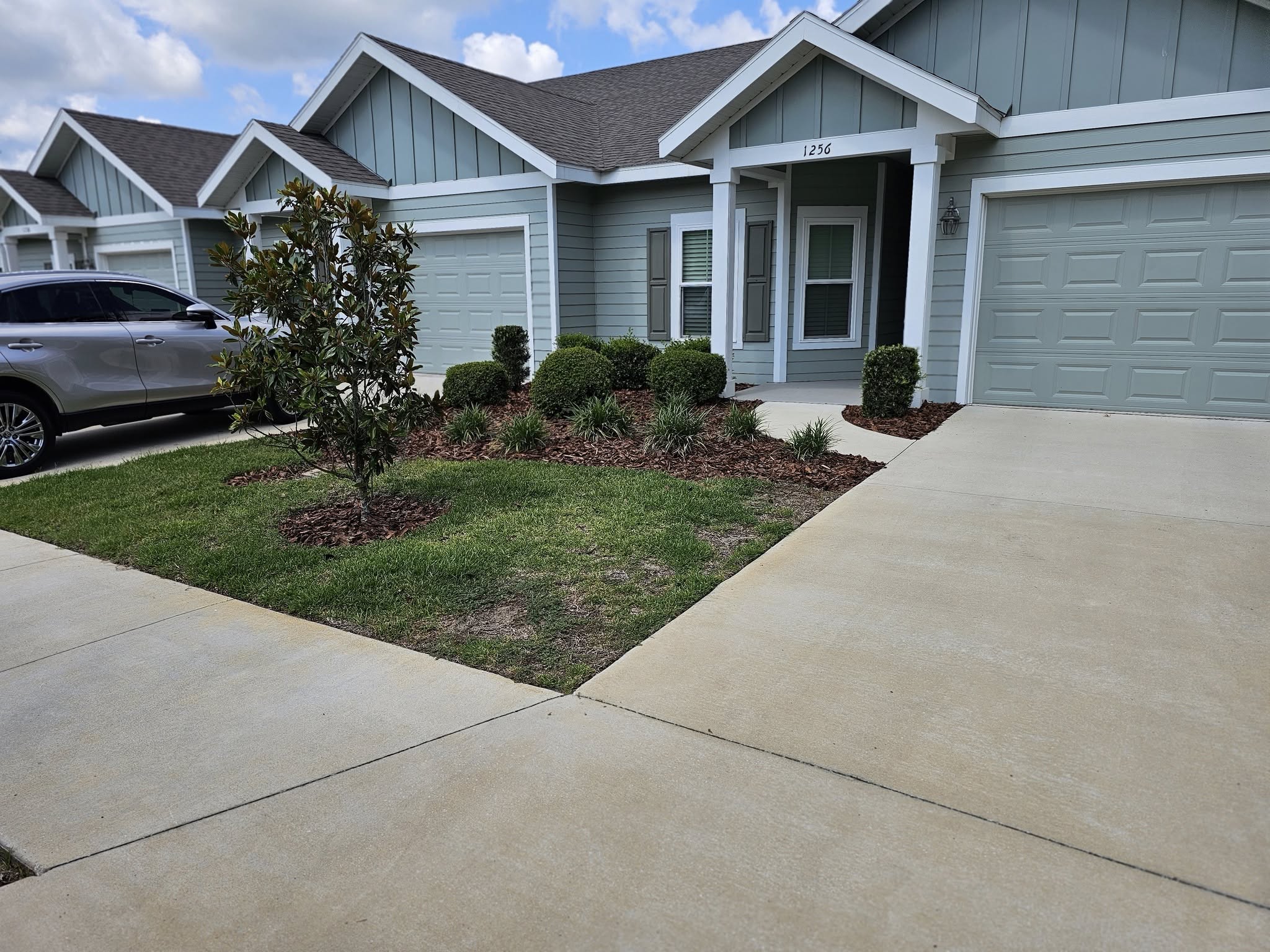
Sustainable Landscaping: Eco-Friendly Practices for a Greener Future Mar 12, 2026
The concept of sustainable landscaping revolves around creating outdoor spaces that are pleasing to the eye and harmonious with nature. By implementing these eco-friendly practices, we can significantly reduce our ecological footprint. A crucial element of sustainable landscaping is selecting native plants that are well-suited to the local environment. Native plants require less water and maintenance, making them an ideal choice for those seeking an environmentally friendly garden. These plants also provide habitat and food for local wildlife, promoting biodiversity and a balanced ecosystem.
Incorporating efficient irrigation systems is another effective strategy for sustainable landscaping. Traditional watering practices can lead to significant water wastage. However, modern irrigation systems like drip irrigation and smart controllers ensure that every drop counts. These systems deliver water directly to the plant roots, minimizing evaporation and runoff. By using water more efficiently, homeowners can maintain lush landscapes while conserving one of our most precious resources.
Mulching is a simple yet impactful eco-friendly practice. By covering soil with organic mulch, you can retain moisture, suppress weeds, and enrich the soil with nutrients as the mulch breaks down over time. This not only reduces the need for chemical herbicides but also enhances the health of your plants. Choosing locally sourced mulch can further decrease the carbon footprint associated with transportation.
Another sustainable practice is composting yard waste. By composting leaves, grass clippings, and other organic matter, you can create nutrient-rich soil amendments that promote healthy plant growth. Composting not only reduces the amount of waste sent to landfills but also decreases the need for synthetic fertilizers. This natural process recycles nutrients back into the soil, fostering a thriving garden environment.
Hardscaping, a key aspect of any outdoor design, can also be approached sustainably. Using permeable materials for pathways and patios allows rainwater to seep into the ground, reducing runoff and erosion. Materials like gravel, permeable pavers, and natural stone not only add aesthetic appeal but also contribute to effective stormwater management. This approach supports healthy groundwater levels and mitigates the heat island effect commonly associated with non-porous surfaces.
At Deeper Roots Landscape, we believe that education is a vital component of promoting sustainable practices. We work closely with our clients to help them understand and implement eco-friendly solutions tailored to their specific needs and preferences. By making informed decisions about plant selection, water usage, and material choices, property owners can play a pivotal role in ensuring a greener future.
In conclusion, embracing sustainable landscaping practices can greatly enhance the beauty and functionality of your outdoor spaces while safeguarding the environment. By choosing native plants, employing efficient irrigation methods, and opting for eco-friendly hardscaping materials, you contribute positively to ecological health. At Deeper Roots Landscape, we are committed to guiding you through this transformation journey, ensuring that your landscape not only thrives today but remains vibrant for generations to come.
/filters:no_upscale()/filters:format(webp)/media/78ca493c-c7fa-425e-af12-03a71424ae32.jpeg)
/filters:no_upscale()/filters:format(webp)/media/619fcb78-b0cf-4784-9b58-52e0983403fe.jpeg)