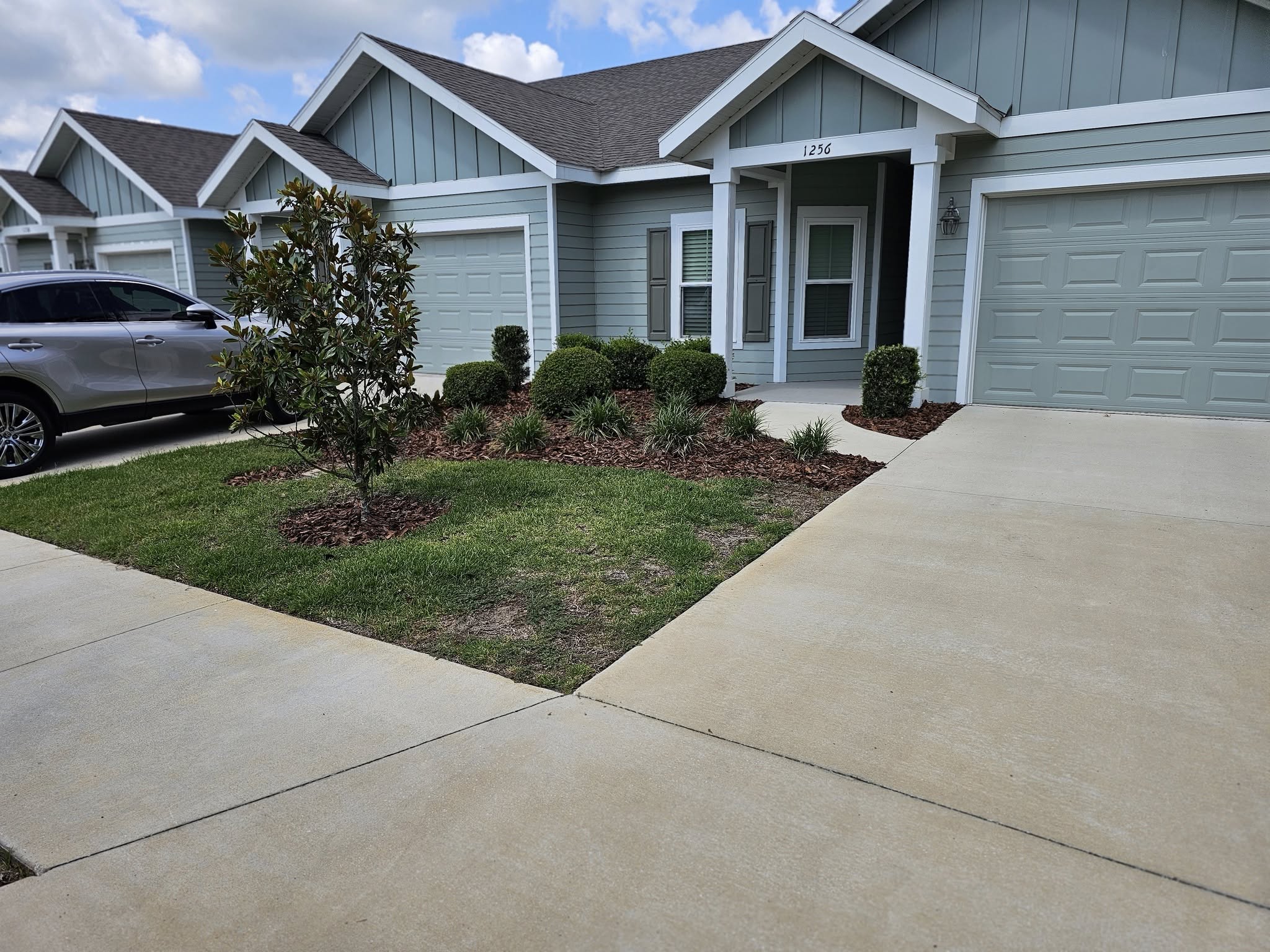
Garden Design for Small Spaces: Maximizing Impact with Minimal Footprint Jul 07, 2026
Understanding your space is the first step to a successful garden design. Begin by evaluating the dimensions and constraints of your garden. Are there any existing features like walls, fences, or trees? Knowing your space will help you determine what elements will work best and where to place them for maximum effect. It’s essential to draw up a plan to visualize your design concept, ensuring every inch of space is utilized intelligently.
Layering and vertical gardening are excellent techniques for small gardens. By using plants that thrive at different heights, you can create depth and interest. For instance, taller plants or trellised vines can act as a backdrop, while shorter plants occupy the middle and ground layers. Vertical gardens not only save space but also add a lush, green touch to walls or fences, transforming them into living art pieces.
Choosing the right plants is critical. Opt for varieties that suit your climate and soil conditions while providing various foliage colors and textures. Utilize perennial plants that return each year, reducing the need for frequent replacements. Consider using dwarf or compact plant varieties designed for smaller spaces. These plants ensure that your garden remains manageable and visually appealing throughout the seasons.
Incorporating multifunctional elements is a smart strategy in garden design for small spaces. Furniture that doubles as storage, such as benches with hidden compartments, can help keep your area tidy. Folding chairs and tables that can easily be packed away when not in use are also ideal choices. This approach not only optimizes space but also maintains a clean and uncluttered look.
Color schemes play a vital role in garden design. Lighter colors generally make a space feel larger and more open, so consider incorporating whites, pale blues, or light yellows. Mirrors can be cleverly positioned to reflect light and plants, creating the illusion of a larger space. These visual tricks can turn a small garden into a place that feels much more expansive and open than it actually is.
Water features, even small ones, can add an element of tranquility and focus. The sound of running water can create a soothing ambiance, masking unwanted noise from surrounding areas. A well-placed fountain or birdbath can become a central feature that draws attention, providing both aesthetic and sensory benefits.
Finally, maintenance is key to ensuring your garden remains beautiful and healthy. Regular pruning, watering, and feeding keep plants vibrant. Less crowded spaces are generally easier to maintain; thus, regular edits to remove overgrown or underperforming plants can help manage the garden’s aesthetics and practical needs.
Transforming a small garden into a stunning space is an achievable goal with the right techniques and planning. By understanding your space, making smart plant choices, and incorporating multi-functional elements, you can significantly enhance your outdoor area’s beauty and utility. At Deeper Roots Landscape, we are committed to helping you create a sanctuary that mirrors your style and fulfills your desires, even in the smallest spaces. Let us help you design a garden that makes a big impact without taking up more space than it needs.
/filters:no_upscale()/filters:format(webp)/media/78ca493c-c7fa-425e-af12-03a71424ae32.jpeg)
/filters:no_upscale()/filters:format(webp)/media/619fcb78-b0cf-4784-9b58-52e0983403fe.jpeg)