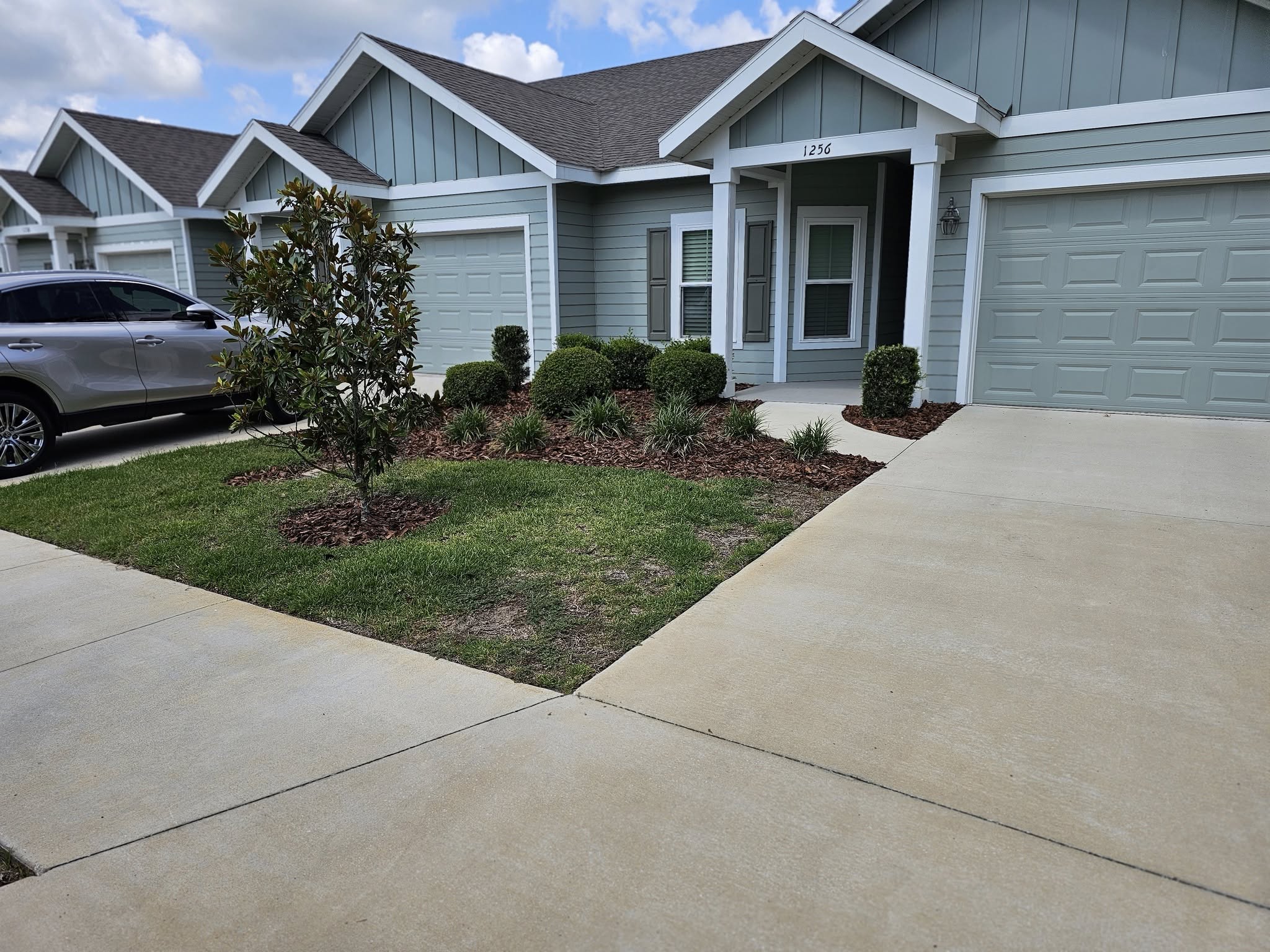
Designing Resilient Gardens: Tips for a Landscape That Withstands Climate Changes May 04, 2026
The first step in crafting a climate-resilient garden is to select plants that are adapted to the local climate. Prioritize native species, which naturally thrive in your region's conditions, requiring less water and care. These plants are more resistant to pests and can better withstand temperature fluctuations. Consider drought-tolerant varieties if you're situated in areas prone to dry spells. This will reduce the need for frequent watering, conserving precious resources and saving you money in the long run.
Water management is a critical component of resilient landscaping. Implementing efficient irrigation systems, such as drip irrigation, can significantly reduce water usage while ensuring your plants receive adequate hydration. Rainwater harvesting is another way to offset water requirements. By installing a rain barrel, you can collect and store rainwater for use during dry periods. This not only conserves municipal water but also provides your garden with naturally soft, untreated water, which is better for most plants.
Soil health plays a pivotal role in the resilience of your landscape. Encourage healthy soil by incorporating organic matter, such as compost or mulch. These materials improve soil structure, enhance its capacity to retain moisture, and support beneficial microorganisms. Additionally, healthy soil reduces runoff and erosion, further contributing to a sustainable ecosystem within your garden.
Adaptability in design is another key aspect of a resilient landscape. Consider creating diverse plant communities that can support each other through symbiotic relationships. Companion planting, where certain plants are grown together for mutual benefit, can promote growth and deter pests without the need for chemical interventions. This approach not only bolsters garden health but also fosters an environment that welcomes beneficial insects and wildlife.
Incorporating hardscaping elements, such as permeable pavements and raised garden beds, can also contribute to a more resilient landscape. Permeable pavements allow water to seep through, reducing runoff and promoting groundwater recharge. Raised garden beds improve drainage and allow for greater control over soil conditions, which is particularly beneficial in areas prone to heavy rainfall or uneven terrain.
Finally, regular maintenance and monitoring are essential to ensure the ongoing resilience of your garden. Keep an eye out for signs of stress or disease and address them promptly. Seasonal clean-ups, pruning, and soil testing will help maintain the health of your landscape, allowing it to adapt to changing environmental conditions.
At Deeper Roots Landscape, we are dedicated to helping our clients develop landscapes that not only enhance their homes but also embrace sustainability and resilience in the face of climate change. By implementing these strategies, you can create a garden that is not merely a sanctuary of beauty but also a testament to responsible and adaptive landscape design. Whether you're looking to redesign your current garden or start anew, our experts are here to guide you every step of the way.
/filters:no_upscale()/filters:format(webp)/media/78ca493c-c7fa-425e-af12-03a71424ae32.jpeg)
/filters:no_upscale()/filters:format(webp)/media/619fcb78-b0cf-4784-9b58-52e0983403fe.jpeg)